
Binge eating disorder (BED) involves the repeated compulsion to eat large quantities of food. BED isn’t a lifestyle choice but rather a never-ending cycle you have no control over. It is one of the newest eating disorders the DSM-V recognizes, yet the most common in American. Extreme overeating is one of the many signs you might be binge eating. Let’s look into the others.
Urge, Compulsion, Shame, Repeat.
Binge eating disorder involves recurrent episodes of eating large amounts of food followed by feelings of distress and shame afterward. The amount of food is beyond what anyone would want to eat and often consumed very quickly and to the point of discomfort. Those with BED are aware of their actions but have little control to stop them. They may fast between episodes but do not regularly use other countermeasures to get rid of food or calories by vomiting or excessive laxative use, for example. While it’s common for patients with BED to be overweight, not everyone is.
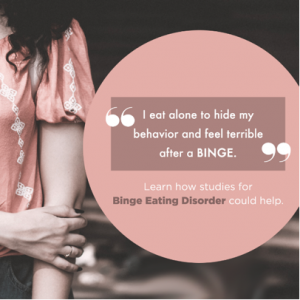
Binge eating disorder has psychological, behavioral, and physical symptoms that also include:
- Feeling uncomfortable eating around others
- Stomach problems, cramping
- Eating even when already full or not hungry
- Noticeable fluctuations in weight both up and down
- Hoarding or stealing food and storing it in strange places
- Frequently eating alone or in secret
- Dieting often
Long-term physical effects of binge eating can be permanent, even fatal, if not treated in time. A few examples are obesity, heart disease, diabetes, esophagus and stomach damage, and sleep apnea.
Treating Binge Eating Disorder
Treatment for BED aims to reduce the frequency of episodes, manage thoughts related to bingeing, and improve mood. Weight loss and metabolic health[HW1] are addressed as needed for patients at most risk (such as diabetes) but should not be the focus. Cognitive-behavioral therapies (CBT) are the basis of most approaches to BED. CBT is a form of talk therapy. It shows you how to deal with negative behavior patterns by breaking them down into smaller parts.
Vyvanse is the first FDA-approved medication to treat moderate to severe binge eating disorders in adults. Topamax, an anti-convulsant, and some antidepressants have also been shown to help control episodes and other symptoms. Additional options are currently under investigation in clinical research studies.
BED Symptoms Can Feel Uncontrollable. Take Charge Today!

Have you been diagnosed with BED and frustrated with current treatment options? ActivMed Practices & Research is now enrolling studies for individuals diagnosed with binge eating disorder that may help. Get involved today and help advance medicine for BED. Call us at (978) 655-7155, or visit our website for more information.
References:
https://www.beateatingdisorders.org.uk/types/binge-eating-disorder
https://www.nationaleatingdisorders.org/learn/by-eating-disorder/bed